Why Your Business Needs a Digital Presence Review Today
Most businesses I work with think they know how their brand looks online. They check their website weekly, post on social media, and maybe glance at a Google Analytics dashboard once a month. But when we sit down and actually run a systematic digital presence review, the gaps start showing up fast. Broken links, inconsistent business hours across directories, a keyword strategy that hasn't been updated in two years, and a mobile experience that frustrates users. These are not edge cases. They are the norm.
A digital presence review is exactly what it sounds like: a structured, honest look at everything your business does online, from your website code to your social media bios, from your Google Business Profile to your backlink profile. It is not a one-time project. It is a discipline. And in 2025, skipping it means leaving money, trust, and visibility on the table.
What a Digital Presence Review Actually Covers
When I conduct a review for a client, I break the work into several domains. The exact mix depends on the business, but most reviews include a technical SEO check, a content audit, a social media audit, a user experience review, and a competitor analysis. Each piece feeds into the others. You cannot fix your website performance without understanding your keyword strategy, and you cannot improve conversion rate optimization without looking at mobile responsiveness and web accessibility.
The goal is not to find everything wrong. It is to find the things that matter most. A broken image on a page nobody visits is not a priority. A slow checkout flow on your top landing page is an emergency. Good judgment separates a useful review from a checkbox exercise.

Technical SEO and Website Performance
Technical SEO is the foundation. If search engines cannot crawl and index your site properly, nothing else you do matters. I start by running a crawl to find 404 errors, redirect chains, duplicate title tags, and missing meta descriptions. Then I check page speed on mobile and desktop. Google Analytics data can tell you where users drop off, but you need a deeper look at server response times, image compression, and JavaScript rendering to understand why.
One client had a beautiful site built with a heavy framework. Load time on mobile was over eight seconds. Their bounce rate was 75 percent. After we trimmed scripts, enabled compression, and switched to a content delivery network, load time dropped to under two seconds. That is the kind of impact technical SEO can have when you address it directly.
Content Audit and Keyword Strategy
A content audit is where I look at every page on the site and ask: Does this page serve a clear purpose? Does it target the right keywords? Is it up to date? Many businesses have blog posts from 2018 that still rank for outdated terms. Cleaning that up is an easy win.
Keyword strategy goes hand in hand with content. If you are targeting phrases nobody searches for, or phrases so competitive you will never rank, you are burning resources. A digital presence review should surface those gaps and suggest alternatives that match your real audience's intent. I often find that local SEO gets neglected here. A Boston-based firm like The Deady Group would want to show up for "technology advisory Boston" or "cloud consulting Massachusetts," not just generic terms like "IT consulting."
Social Media and Brand Reputation
A social media audit is not just about follower counts. It is about consistency, engagement, and alignment with your brand reputation. I check whether your profiles use the same name, logo, and description across platforms. I look at how often you post, what kind of content gets traction, and whether your audience is actually the audience you want.
Brand reputation extends beyond your own channels. I search for your business name and see what comes up. Are there old reviews you never responded to? Is there a misleading listing on a third-party directory? Are competitors outranking you in local search results? These signals shape how potential customers perceive your trustworthiness before they ever visit your site.
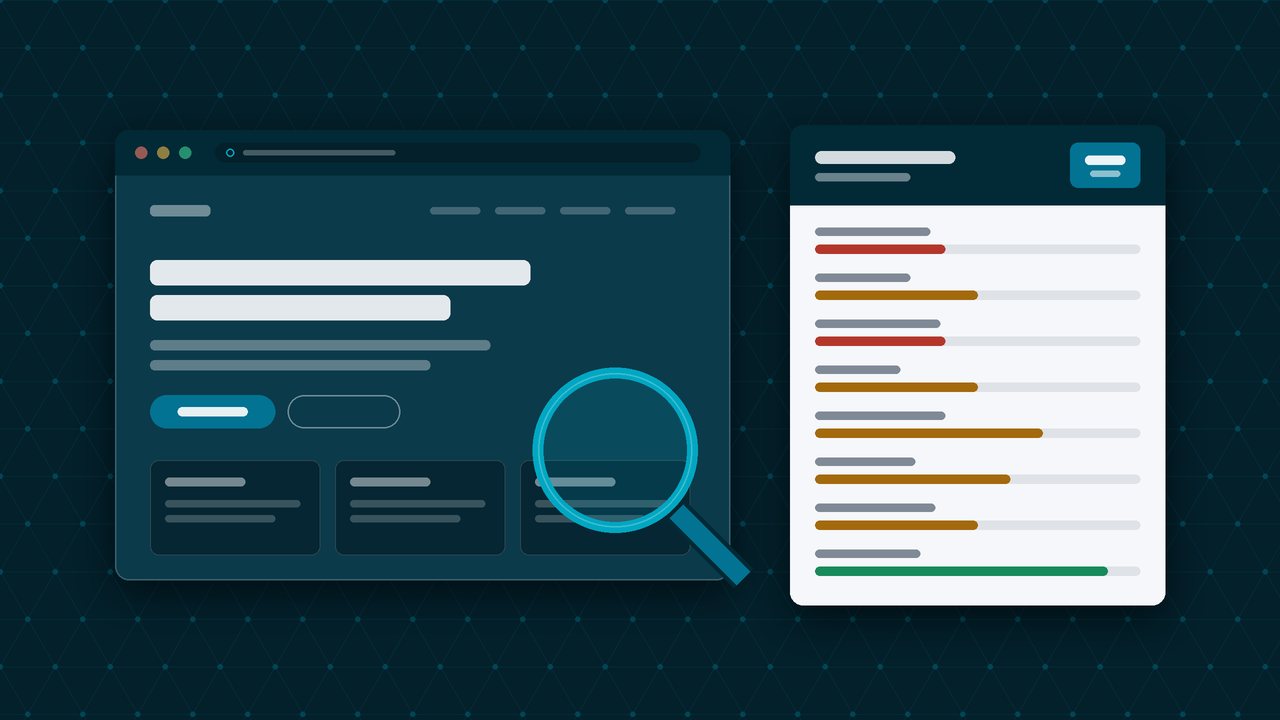
Why You Need a Fresh Review Regularly
Digital is not static. Google changes its ranking algorithm hundreds of times a year. Your competitors update their sites. Your own content ages. What worked six months ago for search engine optimization may now be a liability. That is why I recommend a formal digital presence review at least twice a year, with a lighter monthly check on key metrics.
One area that changes fast is backlink profile. A single spammy backlink from a compromised site can hurt your rankings. Another is mobile responsiveness. New devices ship all the time, and your site's layout can break on them without warning. A regular review catches these issues before they cost you traffic.
Practical Steps to Start
If you are not ready to hire a consultant, you can start your own review today. Here is a short list of what to check first:
- Run your site through Google's PageSpeed Insights tool and fix anything marked as critical.
- Search for your business name in incognito mode. Note what appears on the first page of results.
- Check your Google Business Profile for accuracy: hours, address, phone number, and category.
- Look at your top five competitors' websites. Note one thing they do better than you.
- Review your last month of web analytics. Find the page with the highest exit rate and ask why someone would leave there.
These five steps will surface at least a few quick wins. But a thorough digital presence review goes deeper. It connects the dots between technical SEO, content quality, social media consistency, and user experience. That is where the real value lives.
Bringing It All Together
Your online footprint is not just your website. It is every review, every directory listing, every social post, every backlink. A digital presence review gives you a single source of truth for all of it. Without that, you are guessing. With it, you have a roadmap.

The companies that treat their digital presence as an ongoing investment, not a one-time setup, are the ones that win. They adapt faster. They catch problems before they become crises. And they build trust with customers who notice the details.
If you have not done a thorough audit in the past year, start one this month. The time it takes is tiny compared to the cost of being invisible when a customer searches for what you offer.